Workers' Compensation Attorney: What They Do, When to Hire, and How to Choose the Right Lawyer
Learn how a workers' compensation attorney protects your medical care, secures wage benefits, handles filings and deadlines, and fights insurer tactics. Guide explains when to hire a lawyer, how to choose one, settlement strategies, evidence that matters, and 2025 trends like managed care and AI—so you can focus on healing and protect your financial future.
Estimated reading time: 16 minutes
Key Takeaways
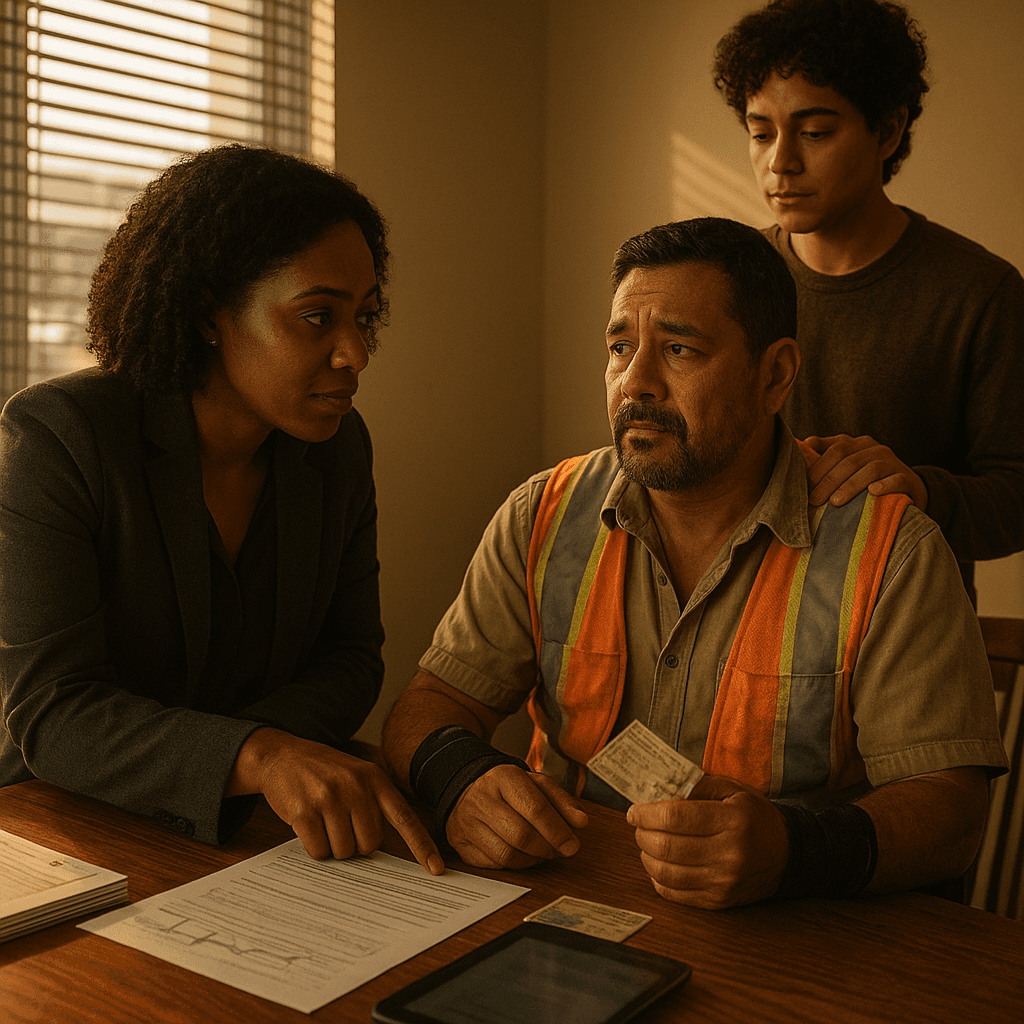
A workers' compensation attorney protects your medical care and wage benefits, handles the paperwork and deadlines, and negotiates with insurers so you can focus on healing.
If you see red flags—delays, denials, pressure to return to work too soon, or disputes over whether the injury is job-related—speak with a lawyer quickly to avoid missed deadlines.
The insurance company has defense lawyers and adjusters working to minimize payouts; your attorney levels the playing field by building evidence, preparing you for statements and exams, and pushing your claim forward.
Choosing the right lawyer involves checking experience in your state, asking targeted questions, and understanding fees and communication expectations before you sign.
Settlements depend heavily on medical evidence and impairment ratings, which your attorney will develop and use to negotiate fairly—without sacrificing future medical needs.
2025 trends include growing use of managed care and AI in claims, more off-site/remote work injuries, and increased surveillance; a knowledgeable lawyer helps you avoid pitfalls and protect your benefits.
Table of Contents
Introduction
What a Workers' Compensation Attorney Does Today
Core responsibilities
Behind-the-scenes advocacy
When You Should Consider Hiring an Attorney
Red flags and denial risks
Complex claim scenarios
How Insurers and Defense Attorneys Approach Claims
How to Choose the Right Workers’ Comp Attorney
Smart ways to find candidates
Questions to ask in your first consult
What to Expect After You Hire a Lawyer
Timeline and key milestones
Evidence your lawyer will want
Benefits, Medical Care, and Returning to Work
Choosing and coordinating medical care
Temporary vs. permanent disability
Return-to-work planning
Settlements, Ratings, and Negotiation Strategy
How impairment ratings drive value
Lump sum vs. ongoing benefits
Special Situations a Workers’ Comp Attorney Can Handle
Third-party claims alongside comp
Multi-employer or multi-job wage issues
State-specific insights and local counsel
Common Pitfalls and How Attorneys Avoid Them
Social media, surveillance, and statements
Adjuster delays and medical denials
2025 Trends Shaping Workers’ Comp Practice
Managed care and AI utilization review
Access to counsel in smaller cities
How to Prepare for Your Free Consultation
Conclusion
FAQ
What does a workers’ compensation attorney do?
When should I hire a workers’ compensation attorney?
How much does a workers’ compensation attorney cost?
Can I handle my workers’ comp claim alone?
What should I bring to a consultation?
Introduction
If you were hurt on the job and feel overwhelmed, you are not alone. A workers' compensation attorney can explain your rights in plain language, handle filings and deadlines, and protect your medical care and wages while you recover.
Workers’ compensation is a no-fault system, which means you generally don’t have to prove your employer did anything wrong to get benefits. As one overview explains, workers' compensation is a no-fault system of insurance designed to pay benefits to workers who were injured or became ill while performing their job duties. But the process is technical, the rules vary by state, and insurers may challenge your claim—especially if there are gaps in evidence or missed deadlines.
This guide walks you through what a workers’ compensation attorney actually does, when hiring one makes sense, how to choose the right lawyer, and what to expect from start to finish. It also highlights 2025 trends shaping claims so you can avoid common pitfalls and move your case forward with confidence.
What a Workers' Compensation Attorney Does Today
A good lawyer starts by listening. They learn how the injury happened, what your job requires, and what symptoms you’re dealing with now. From there, they build a plan to secure benefits and protect your job, health, and income.
At its core, a workers’ comp lawyer helps injured employees handle claims after a workplace injury or illness and ensures you receive the benefits state law provides. That includes medical treatment, wage replacement, and, when applicable, permanent disability compensation.
Core responsibilities
Day to day, your attorney coordinates the claim forms, medical documentation, and insurer communications. They gather facts, request records, obtain witness statements, and prepare you for testimony or recorded statements. They also push back against insurance tactics that try to frame your injuries as unrelated or minor.
Experienced attorneys also look ahead. They explain how the process works, when deadlines hit, and what evidence will matter most. As one resource notes, a workers’ compensation attorney can help you maximize your settlement compensation and understand how the comp process works, from initial filings to final resolution.
When claims become complex, their role expands. Many firms emphasize that comp lawyers evaluate complex work comp claims to help injured workers obtain the benefits they deserve, which may include coordinating with specialists, vocational experts, or economists to fully document losses.
Behind-the-scenes advocacy
Much of your attorney’s work happens outside of court. They strategize around your medical care, request second opinions, and prepare for negotiation or hearings. As another explainer puts it, a comp lawyer can handle all kinds of workers’ compensation claims regardless of who is at fault, and manage the procedural hurdles that derail many self-filed cases.
For a quick overview, some people find it helpful to watch a short video explainer on what a workers’ comp attorney does before their first appointment. It can demystify the process and reduce anxiety about what comes next.
If you’re still learning the basics, our primer on what workers’ compensation is and how it works explains core benefits and procedures so today’s legal strategies make more sense.
When You Should Consider Hiring an Attorney
Some claims are simple on paper but complicated in real life. Early signs of trouble include missed wage checks, delayed authorizations, or pressure to return to full duty before your doctor approves.
Lawyers who focus on injured workers often share similar guidance on timing. For example, one checklist highlights situations when you need a workers’ compensation attorney, like claim denials, employer retaliation, lowball settlement offers, or confusing IME/QME findings.
Red flags and denial risks
Get help promptly if your employer disputes the injury, the insurer questions whether it’s work-related, or your checks stop unexpectedly. You can also consult a lawyer if you’re unsure which forms to file or how to correct mistakes.
For additional context, many common concerns are addressed in lawyer-answered workers’ comp FAQs. If any of those issues sound familiar—like “Do I need to give a recorded statement?” or “What if I had a pre-existing condition?”—you’ll benefit from legal guidance.
Deadlines are strict. Learn your workers’ comp time limits to report and file so you don’t lose benefits by waiting too long to ask for help.
Complex claim scenarios
Consider hiring counsel immediately if you’re dealing with repetitive trauma, occupational disease, aggravated pre-existing conditions, or injuries that force you into new roles at work. These cases turn on medical nuance, and small documentation gaps can snowball.
State examples reinforce the point. One Ohio-focused overview explains why it’s so important to have an experienced workers’ compensation lawyer in your corner when an injury occurs, because local procedures and hearing practice affect outcomes.
If you haven’t reported or filed yet, review our step-by-step guide to filing a workers’ comp claim and make a timeline of what has happened so far. That list will help your lawyer triage urgent items and fix errors.
How Insurers and Defense Attorneys Approach Claims
It helps to know who is on the other side of your file. Employers and carriers often retain defense counsel whose job is to defend claims and control costs. As one defense firm describes it, a workers’ compensation defense attorney specializes in defending employers and insurance companies against workers’ compensation claims.
That does not make you the enemy—but it does mean you should be careful about statements, social media, and medical gaps. Your attorney will anticipate the defense’s playbook, prepare you for required exams, and counter arguments about causation, disability level, or work capacity.
How to Choose the Right Workers’ Comp Attorney
Your lawyer should feel like a partner who explains options and keeps you informed. Choose someone who focuses on work injuries, knows your state system, and has a clear plan for evidence and deadlines.
Smart ways to find candidates
Look for practical, step-by-step guidance and real case experience. A helpful starting point is a set of five tips to help you find a qualified, experienced workers’ comp lawyer, including checking discipline records and evaluating communication style.
Local knowledge also matters. If you live in a smaller market, you can still find capable counsel—resources for a Findlay workers’ compensation attorney or a Toledo workers’ compensation lawyer highlight that skilled advocates practice beyond major cities and understand local hearing venues.
Scan an attorney’s content to see if they teach and inform. Our in-depth resource on what a workers’ compensation lawyer does and when to hire one is the kind of practical roadmap you should expect.
Questions to ask in your first consult
Bring a short list of questions so the meeting is productive. One guide suggests five questions to ask a workers’ compensation lawyer, like what challenges they see, whether your injury is work-related, and whether you followed required procedures.
Consider asking how the firm handles communication, who will actually work on your file, and how often you’ll get case updates. You can also discuss strategy for second opinions or specialist referrals if treatment is stalled.
What to Expect After You Hire a Lawyer
Hiring an attorney should reduce your stress quickly. They become the point of contact for the insurer, free you from confusing paperwork, and build the medical and vocational proof your case needs.
They may also prepare you for the possibility of settlement. As many explain, counsel’s job includes evidence development and negotiation—often with the goal of fair value without sacrificing future medical care.
Timeline and key milestones
Expect an early review of your notice and filing dates, then a plan to request missing records and authorizations. Your attorney will track approvals for treatment, wage checks, and any scheduled exams or depositions.
If delays or denials happen, they’ll file motions, appeals, or hearing requests. Our walkthrough of how to appeal a workers’ comp denial shows what that process looks like and how to prepare.
At the right time, you’ll discuss settlement versus ongoing benefits. That conversation should be evidence-driven and tailored to your medical outlook, not rushed by insurer pressure.
Evidence your lawyer will want
Stronger evidence leads to better outcomes. Your lawyer will want injury reports, job descriptions, witness names, photos or video, medical records, and any correspondence from the insurer or employer.
Medical opinions are crucial. If the insurer sends you for an exam, learn the basics of the QME/IME process and how to prepare. Your attorney may also coordinate specialist evaluations to document functional limits, pain levels, and long-term prognosis.
Benefits, Medical Care, and Returning to Work
Workers’ comp benefits should cover reasonable and necessary medical care and provide wage checks while you can’t work or while you’re restricted. Understanding each benefit helps you spot underpayments and delays.
Start with the basics in our guide to what benefits workers’ comp covers, then talk with your lawyer about how those benefits apply to your condition and state rules.
Choosing and coordinating medical care
Depending on your state and employer network rules, you may have options for selecting or changing your treating physician. If treatment is stalled or you feel unheard, review your rights around choosing your own doctor in workers’ comp and ask your attorney to plan next steps.
Your lawyer can also address denied referrals, second opinions, and utilization review issues that block specialist care. Clear, consistent medical notes will improve both care and case value.
Temporary vs. permanent disability
Disability benefits depend on whether you’re totally off work, partially restricted, or have lasting impairment. Your attorney will explain what your checks should look like and how long they should last under your state’s laws.
When you reach maximum medical improvement (MMI), ratings and long-term needs come into play. Our primer on workers’ comp impairment ratings explains how doctors quantify loss and how that number can affect payment and settlement options.
Return-to-work planning
Returning too soon risks reinjury; waiting too long can strain finances. Your doctor’s restrictions should guide the plan, and your attorney can advocate for appropriate modified duty or alternative roles.
Learn practical strategies in our return-to-work guide, including how to communicate restrictions, what to do if an employer won’t accommodate, and how vocational rehabilitation may help.
Settlements, Ratings, and Negotiation Strategy
Settlements should reflect your medical needs, functional limits, and wage loss—not just what the insurer offers first. Your lawyer will compare your case to similar outcomes and factor in future care.
For perspective, see our analysis of the average workers’ comp settlement and how values are calculated. While every case is unique, knowing the drivers of value helps you spot low offers.
How impairment ratings drive value
Ratings often shape settlement ranges. If your rating seems off, your attorney may seek a second medical opinion or challenge errors in the report.
In many states, scheduled awards are tied to specific body parts and impairment levels. For a deeper look at how these schedules work, our resource on payout body parts charts explains how ratings translate into dollars.
Lump sum vs. ongoing benefits
A lump sum can bring closure, but it may also shift medical risk to you. Ongoing benefits can provide stability but involve continued oversight.
Attorneys weigh the pros and cons, consider your health trajectory, and negotiate terms that protect access to future care. As several practitioner guides emphasize, settlement is not only about the number—it’s about making sure you don’t lose vital treatment in the process.
Special Situations a Workers’ Comp Attorney Can Handle
Not every work injury fits neatly into a single system. The right attorney spots other liable parties, wage issues across jobs, or local rules that can improve your outcome.
Third-party claims alongside comp
If you were hurt by someone outside your employer—like a negligent driver or defective equipment—your lawyer may coordinate a second claim. As one overview explains, if you were injured on the job by someone other than your employer, a separate claim or lawsuit may be available in addition to workers’ comp.
Handling both at once is complex. Our guide to suing a third party while on workers’ comp covers liens, timing, and how to maximize your net recovery.
Multi-employer or multi-job wage issues
If you work two jobs, the injury at one may affect income from both—your average weekly wage calculations should reflect that. An attorney can collect payroll records from multiple employers and advocate for accurate wage-loss benefits.
Similarly, if you are reassigned after injury or your duties change, your lawyer can evaluate whether the new role fits your restrictions and how pay differences should be addressed.
State-specific insights and local counsel
State rules shape every decision, from doctor choice to hearing procedure. Regional firms can be helpful resources to understand local practice, such as guidance from a Findlay workers’ compensation attorney or a Toledo workers’ compensation lawyer about court locations and typical timelines.
Some firms publish state-focused explainers that underscore why local counsel matters. For instance, attorneys who regularly handle comp claims can navigate your state’s unique forms and medical rules efficiently, and no-fault principles may still be applied differently across jurisdictions.
Common Pitfalls and How Attorneys Avoid Them
Most claim problems trace back to the same handful of issues: missing deadlines, inconsistent medical notes, social media missteps, and adjuster slow-rolls. A strong legal strategy addresses each before they cause real damage.
Social media, surveillance, and statements
Insurers monitor public posts and sometimes hire investigators. Even innocent photos can be taken out of context and used to question your limits.
Protect yourself by reviewing our guide on the impact of social media on workers’ comp cases and following your attorney’s advice about statements and recorded interviews. Defense counsel will look for inconsistencies; your lawyer will help you prepare and avoid traps.
Adjuster delays and medical denials
Radio silence from adjusters is common—and risky. If calls and emails go unanswered, deadlines can pass and care can stall.
Use our practical steps when a workers’ comp adjuster is not responding, and ask your attorney about escalation paths. For treatment obstacles, your lawyer can fight denials, request second opinions, and press for authorizations so you’re not stuck waiting.
If your claim is denied, don’t panic—appeals are time-sensitive, but winnable with proper evidence. Start with our overview of how to appeal a workers’ comp denial and work with your attorney to build the record fast.
2025 Trends Shaping Workers’ Comp Practice
Work is changing, and so are claims. Remote and hybrid roles introduce new questions about where and how injuries happen, while managed-care systems standardize treatment and reviews.
Attorneys stay on top of these shifts to protect your benefits, from tackling AI-driven utilization reviews to coordinating care after off-site injuries.
Managed care and AI utilization review
Many insurers use managed-care vendors to triage claims, steer medical care, and review authorization requests. Our breakdown of how managed care and AI affect workers’ comp claims explains the impact on your treatment plan and what rights you have to challenge denials.
Your attorney can spot when “guidelines” are applied too rigidly, request second-level reviews, and line up medical opinions that support the care your doctor recommends.
Access to counsel in smaller cities
Quality representation is not limited to big metros. Local resources for a Findlay or Toledo workers’ comp attorney underscore a welcome trend: more regional firms offer focused work-injury representation and publish practical guides for their communities.
To compare options faster, look for objective advice like tips on finding a qualified workers’ comp lawyer and check whether the firm explains local hearing practices and timelines clearly.
How to Prepare for Your Free Consultation
Preparation reduces stress and makes your first meeting productive. Create a simple timeline: when the injury happened, who you told, where you were treated, and what changed at work since.
Gather documents: injury reports, pay stubs, medical notes, letters from the insurer, and any photos or video. If you haven’t filed yet, bring questions about how to file a claim step by step and ask about close deadlines from our time limit guide.
Finally, come ready to discuss goals. Are you seeking authorizations for treatment, wage checks, or a path back to work with restrictions? A short list helps your lawyer prioritize immediate actions.
If you want a quick primer beforehand, a concise video overview of what a workers’ comp attorney does can calm nerves and set expectations. You can also skim a state-specific explainer like the no-fault overview to understand core concepts you’ll hear in the consult.
Conclusion
After a work injury, you deserve clarity, care, and income stability. A dedicated workers’ compensation attorney brings order to a stressful process: they organize your claim, keep you on deadline, coordinate medical evidence, and stand between you and insurance strategies designed to limit payouts. They also prepare you for statements and exams, pursue authorizations, and negotiate fair value at the right time—without sacrificing future medical needs.
If you are seeing red flags—delays, denials, pressure to return too soon, or confusion about forms—don’t wait. Read up on the benefits you should be receiving, learn the deadlines that apply, and get qualified legal help to protect your health and financial security.
Need help now? Get a free and instant case evaluation by US Work Accident Lawyers. See if your case qualifies within 30-seconds at https://usworkaccidentlawyer.com.
FAQ
What does a workers’ compensation attorney do?
They handle your claim end to end: reporting and filing, medical evidence, insurer communications, hearings, and negotiation. They make sure you get authorized treatment and wage benefits and push back when insurers delay or deny. As several explainers note, a comp lawyer helps injured employees handle claims and can maximize settlement compensation by developing the right evidence at the right time.
When should I hire a workers’ compensation attorney?
Talk to a lawyer as soon as you see trouble: a claim denial, delayed checks, a disputed injury, pushback on medical care, or pressure to return to work prematurely. A widely shared checklist highlights key situations when you need a workers’ comp attorney, and your state’s deadlines mean timing matters. If you’re unsure where to start, see tips to find a qualified lawyer and review our filing guide.
How much does a workers’ compensation attorney cost?
Most charge a contingency fee that’s capped by state law and paid from your recovery, not upfront. During your consult, ask how fees work, whether case costs are advanced, and what happens if the claim is denied. You can also review smart questions to ask a comp lawyer so you understand fees and expectations before signing.
Can I handle my workers’ comp claim alone?
Many people start on their own, but it’s easy to miss deadlines, under-document injuries, or accept low offers. Lawyers emphasize that experienced counsel can evaluate complex claims and address insurer strategies early. If your case is denied or you’re facing pushback, read how to appeal a denial and consider getting representation quickly.
What should I bring to a consultation?
Bring a timeline of events, injury reports, pay stubs, medical records, letters from the insurer, and a list of your current medications and restrictions. If you’re waiting on care, ask about your rights to choose or change doctors and how your lawyer will push for authorizations. For a quick pre-read, explore common workers’ comp questions answered by lawyers to frame your discussion.
Estimated reading time: 16 minutes
Key Takeaways
A workers' compensation attorney protects your medical care and wage benefits, handles the paperwork and deadlines, and negotiates with insurers so you can focus on healing.
If you see red flags—delays, denials, pressure to return to work too soon, or disputes over whether the injury is job-related—speak with a lawyer quickly to avoid missed deadlines.
The insurance company has defense lawyers and adjusters working to minimize payouts; your attorney levels the playing field by building evidence, preparing you for statements and exams, and pushing your claim forward.
Choosing the right lawyer involves checking experience in your state, asking targeted questions, and understanding fees and communication expectations before you sign.
Settlements depend heavily on medical evidence and impairment ratings, which your attorney will develop and use to negotiate fairly—without sacrificing future medical needs.
2025 trends include growing use of managed care and AI in claims, more off-site/remote work injuries, and increased surveillance; a knowledgeable lawyer helps you avoid pitfalls and protect your benefits.
Table of Contents
Introduction
What a Workers' Compensation Attorney Does Today
Core responsibilities
Behind-the-scenes advocacy
When You Should Consider Hiring an Attorney
Red flags and denial risks
Complex claim scenarios
How Insurers and Defense Attorneys Approach Claims
How to Choose the Right Workers’ Comp Attorney
Smart ways to find candidates
Questions to ask in your first consult
What to Expect After You Hire a Lawyer
Timeline and key milestones
Evidence your lawyer will want
Benefits, Medical Care, and Returning to Work
Choosing and coordinating medical care
Temporary vs. permanent disability
Return-to-work planning
Settlements, Ratings, and Negotiation Strategy
How impairment ratings drive value
Lump sum vs. ongoing benefits
Special Situations a Workers’ Comp Attorney Can Handle
Third-party claims alongside comp
Multi-employer or multi-job wage issues
State-specific insights and local counsel
Common Pitfalls and How Attorneys Avoid Them
Social media, surveillance, and statements
Adjuster delays and medical denials
2025 Trends Shaping Workers’ Comp Practice
Managed care and AI utilization review
Access to counsel in smaller cities
How to Prepare for Your Free Consultation
Conclusion
FAQ
What does a workers’ compensation attorney do?
When should I hire a workers’ compensation attorney?
How much does a workers’ compensation attorney cost?
Can I handle my workers’ comp claim alone?
What should I bring to a consultation?
Introduction
If you were hurt on the job and feel overwhelmed, you are not alone. A workers' compensation attorney can explain your rights in plain language, handle filings and deadlines, and protect your medical care and wages while you recover.
Workers’ compensation is a no-fault system, which means you generally don’t have to prove your employer did anything wrong to get benefits. As one overview explains, workers' compensation is a no-fault system of insurance designed to pay benefits to workers who were injured or became ill while performing their job duties. But the process is technical, the rules vary by state, and insurers may challenge your claim—especially if there are gaps in evidence or missed deadlines.
This guide walks you through what a workers’ compensation attorney actually does, when hiring one makes sense, how to choose the right lawyer, and what to expect from start to finish. It also highlights 2025 trends shaping claims so you can avoid common pitfalls and move your case forward with confidence.
What a Workers' Compensation Attorney Does Today
A good lawyer starts by listening. They learn how the injury happened, what your job requires, and what symptoms you’re dealing with now. From there, they build a plan to secure benefits and protect your job, health, and income.
At its core, a workers’ comp lawyer helps injured employees handle claims after a workplace injury or illness and ensures you receive the benefits state law provides. That includes medical treatment, wage replacement, and, when applicable, permanent disability compensation.
Core responsibilities
Day to day, your attorney coordinates the claim forms, medical documentation, and insurer communications. They gather facts, request records, obtain witness statements, and prepare you for testimony or recorded statements. They also push back against insurance tactics that try to frame your injuries as unrelated or minor.
Experienced attorneys also look ahead. They explain how the process works, when deadlines hit, and what evidence will matter most. As one resource notes, a workers’ compensation attorney can help you maximize your settlement compensation and understand how the comp process works, from initial filings to final resolution.
When claims become complex, their role expands. Many firms emphasize that comp lawyers evaluate complex work comp claims to help injured workers obtain the benefits they deserve, which may include coordinating with specialists, vocational experts, or economists to fully document losses.
Behind-the-scenes advocacy
Much of your attorney’s work happens outside of court. They strategize around your medical care, request second opinions, and prepare for negotiation or hearings. As another explainer puts it, a comp lawyer can handle all kinds of workers’ compensation claims regardless of who is at fault, and manage the procedural hurdles that derail many self-filed cases.
For a quick overview, some people find it helpful to watch a short video explainer on what a workers’ comp attorney does before their first appointment. It can demystify the process and reduce anxiety about what comes next.
If you’re still learning the basics, our primer on what workers’ compensation is and how it works explains core benefits and procedures so today’s legal strategies make more sense.
When You Should Consider Hiring an Attorney
Some claims are simple on paper but complicated in real life. Early signs of trouble include missed wage checks, delayed authorizations, or pressure to return to full duty before your doctor approves.
Lawyers who focus on injured workers often share similar guidance on timing. For example, one checklist highlights situations when you need a workers’ compensation attorney, like claim denials, employer retaliation, lowball settlement offers, or confusing IME/QME findings.
Red flags and denial risks
Get help promptly if your employer disputes the injury, the insurer questions whether it’s work-related, or your checks stop unexpectedly. You can also consult a lawyer if you’re unsure which forms to file or how to correct mistakes.
For additional context, many common concerns are addressed in lawyer-answered workers’ comp FAQs. If any of those issues sound familiar—like “Do I need to give a recorded statement?” or “What if I had a pre-existing condition?”—you’ll benefit from legal guidance.
Deadlines are strict. Learn your workers’ comp time limits to report and file so you don’t lose benefits by waiting too long to ask for help.
Complex claim scenarios
Consider hiring counsel immediately if you’re dealing with repetitive trauma, occupational disease, aggravated pre-existing conditions, or injuries that force you into new roles at work. These cases turn on medical nuance, and small documentation gaps can snowball.
State examples reinforce the point. One Ohio-focused overview explains why it’s so important to have an experienced workers’ compensation lawyer in your corner when an injury occurs, because local procedures and hearing practice affect outcomes.
If you haven’t reported or filed yet, review our step-by-step guide to filing a workers’ comp claim and make a timeline of what has happened so far. That list will help your lawyer triage urgent items and fix errors.
How Insurers and Defense Attorneys Approach Claims
It helps to know who is on the other side of your file. Employers and carriers often retain defense counsel whose job is to defend claims and control costs. As one defense firm describes it, a workers’ compensation defense attorney specializes in defending employers and insurance companies against workers’ compensation claims.
That does not make you the enemy—but it does mean you should be careful about statements, social media, and medical gaps. Your attorney will anticipate the defense’s playbook, prepare you for required exams, and counter arguments about causation, disability level, or work capacity.
How to Choose the Right Workers’ Comp Attorney
Your lawyer should feel like a partner who explains options and keeps you informed. Choose someone who focuses on work injuries, knows your state system, and has a clear plan for evidence and deadlines.
Smart ways to find candidates
Look for practical, step-by-step guidance and real case experience. A helpful starting point is a set of five tips to help you find a qualified, experienced workers’ comp lawyer, including checking discipline records and evaluating communication style.
Local knowledge also matters. If you live in a smaller market, you can still find capable counsel—resources for a Findlay workers’ compensation attorney or a Toledo workers’ compensation lawyer highlight that skilled advocates practice beyond major cities and understand local hearing venues.
Scan an attorney’s content to see if they teach and inform. Our in-depth resource on what a workers’ compensation lawyer does and when to hire one is the kind of practical roadmap you should expect.
Questions to ask in your first consult
Bring a short list of questions so the meeting is productive. One guide suggests five questions to ask a workers’ compensation lawyer, like what challenges they see, whether your injury is work-related, and whether you followed required procedures.
Consider asking how the firm handles communication, who will actually work on your file, and how often you’ll get case updates. You can also discuss strategy for second opinions or specialist referrals if treatment is stalled.
What to Expect After You Hire a Lawyer
Hiring an attorney should reduce your stress quickly. They become the point of contact for the insurer, free you from confusing paperwork, and build the medical and vocational proof your case needs.
They may also prepare you for the possibility of settlement. As many explain, counsel’s job includes evidence development and negotiation—often with the goal of fair value without sacrificing future medical care.
Timeline and key milestones
Expect an early review of your notice and filing dates, then a plan to request missing records and authorizations. Your attorney will track approvals for treatment, wage checks, and any scheduled exams or depositions.
If delays or denials happen, they’ll file motions, appeals, or hearing requests. Our walkthrough of how to appeal a workers’ comp denial shows what that process looks like and how to prepare.
At the right time, you’ll discuss settlement versus ongoing benefits. That conversation should be evidence-driven and tailored to your medical outlook, not rushed by insurer pressure.
Evidence your lawyer will want
Stronger evidence leads to better outcomes. Your lawyer will want injury reports, job descriptions, witness names, photos or video, medical records, and any correspondence from the insurer or employer.
Medical opinions are crucial. If the insurer sends you for an exam, learn the basics of the QME/IME process and how to prepare. Your attorney may also coordinate specialist evaluations to document functional limits, pain levels, and long-term prognosis.
Benefits, Medical Care, and Returning to Work
Workers’ comp benefits should cover reasonable and necessary medical care and provide wage checks while you can’t work or while you’re restricted. Understanding each benefit helps you spot underpayments and delays.
Start with the basics in our guide to what benefits workers’ comp covers, then talk with your lawyer about how those benefits apply to your condition and state rules.
Choosing and coordinating medical care
Depending on your state and employer network rules, you may have options for selecting or changing your treating physician. If treatment is stalled or you feel unheard, review your rights around choosing your own doctor in workers’ comp and ask your attorney to plan next steps.
Your lawyer can also address denied referrals, second opinions, and utilization review issues that block specialist care. Clear, consistent medical notes will improve both care and case value.
Temporary vs. permanent disability
Disability benefits depend on whether you’re totally off work, partially restricted, or have lasting impairment. Your attorney will explain what your checks should look like and how long they should last under your state’s laws.
When you reach maximum medical improvement (MMI), ratings and long-term needs come into play. Our primer on workers’ comp impairment ratings explains how doctors quantify loss and how that number can affect payment and settlement options.
Return-to-work planning
Returning too soon risks reinjury; waiting too long can strain finances. Your doctor’s restrictions should guide the plan, and your attorney can advocate for appropriate modified duty or alternative roles.
Learn practical strategies in our return-to-work guide, including how to communicate restrictions, what to do if an employer won’t accommodate, and how vocational rehabilitation may help.
Settlements, Ratings, and Negotiation Strategy
Settlements should reflect your medical needs, functional limits, and wage loss—not just what the insurer offers first. Your lawyer will compare your case to similar outcomes and factor in future care.
For perspective, see our analysis of the average workers’ comp settlement and how values are calculated. While every case is unique, knowing the drivers of value helps you spot low offers.
How impairment ratings drive value
Ratings often shape settlement ranges. If your rating seems off, your attorney may seek a second medical opinion or challenge errors in the report.
In many states, scheduled awards are tied to specific body parts and impairment levels. For a deeper look at how these schedules work, our resource on payout body parts charts explains how ratings translate into dollars.
Lump sum vs. ongoing benefits
A lump sum can bring closure, but it may also shift medical risk to you. Ongoing benefits can provide stability but involve continued oversight.
Attorneys weigh the pros and cons, consider your health trajectory, and negotiate terms that protect access to future care. As several practitioner guides emphasize, settlement is not only about the number—it’s about making sure you don’t lose vital treatment in the process.
Special Situations a Workers’ Comp Attorney Can Handle
Not every work injury fits neatly into a single system. The right attorney spots other liable parties, wage issues across jobs, or local rules that can improve your outcome.
Third-party claims alongside comp
If you were hurt by someone outside your employer—like a negligent driver or defective equipment—your lawyer may coordinate a second claim. As one overview explains, if you were injured on the job by someone other than your employer, a separate claim or lawsuit may be available in addition to workers’ comp.
Handling both at once is complex. Our guide to suing a third party while on workers’ comp covers liens, timing, and how to maximize your net recovery.
Multi-employer or multi-job wage issues
If you work two jobs, the injury at one may affect income from both—your average weekly wage calculations should reflect that. An attorney can collect payroll records from multiple employers and advocate for accurate wage-loss benefits.
Similarly, if you are reassigned after injury or your duties change, your lawyer can evaluate whether the new role fits your restrictions and how pay differences should be addressed.
State-specific insights and local counsel
State rules shape every decision, from doctor choice to hearing procedure. Regional firms can be helpful resources to understand local practice, such as guidance from a Findlay workers’ compensation attorney or a Toledo workers’ compensation lawyer about court locations and typical timelines.
Some firms publish state-focused explainers that underscore why local counsel matters. For instance, attorneys who regularly handle comp claims can navigate your state’s unique forms and medical rules efficiently, and no-fault principles may still be applied differently across jurisdictions.
Common Pitfalls and How Attorneys Avoid Them
Most claim problems trace back to the same handful of issues: missing deadlines, inconsistent medical notes, social media missteps, and adjuster slow-rolls. A strong legal strategy addresses each before they cause real damage.
Social media, surveillance, and statements
Insurers monitor public posts and sometimes hire investigators. Even innocent photos can be taken out of context and used to question your limits.
Protect yourself by reviewing our guide on the impact of social media on workers’ comp cases and following your attorney’s advice about statements and recorded interviews. Defense counsel will look for inconsistencies; your lawyer will help you prepare and avoid traps.
Adjuster delays and medical denials
Radio silence from adjusters is common—and risky. If calls and emails go unanswered, deadlines can pass and care can stall.
Use our practical steps when a workers’ comp adjuster is not responding, and ask your attorney about escalation paths. For treatment obstacles, your lawyer can fight denials, request second opinions, and press for authorizations so you’re not stuck waiting.
If your claim is denied, don’t panic—appeals are time-sensitive, but winnable with proper evidence. Start with our overview of how to appeal a workers’ comp denial and work with your attorney to build the record fast.
2025 Trends Shaping Workers’ Comp Practice
Work is changing, and so are claims. Remote and hybrid roles introduce new questions about where and how injuries happen, while managed-care systems standardize treatment and reviews.
Attorneys stay on top of these shifts to protect your benefits, from tackling AI-driven utilization reviews to coordinating care after off-site injuries.
Managed care and AI utilization review
Many insurers use managed-care vendors to triage claims, steer medical care, and review authorization requests. Our breakdown of how managed care and AI affect workers’ comp claims explains the impact on your treatment plan and what rights you have to challenge denials.
Your attorney can spot when “guidelines” are applied too rigidly, request second-level reviews, and line up medical opinions that support the care your doctor recommends.
Access to counsel in smaller cities
Quality representation is not limited to big metros. Local resources for a Findlay or Toledo workers’ comp attorney underscore a welcome trend: more regional firms offer focused work-injury representation and publish practical guides for their communities.
To compare options faster, look for objective advice like tips on finding a qualified workers’ comp lawyer and check whether the firm explains local hearing practices and timelines clearly.
How to Prepare for Your Free Consultation
Preparation reduces stress and makes your first meeting productive. Create a simple timeline: when the injury happened, who you told, where you were treated, and what changed at work since.
Gather documents: injury reports, pay stubs, medical notes, letters from the insurer, and any photos or video. If you haven’t filed yet, bring questions about how to file a claim step by step and ask about close deadlines from our time limit guide.
Finally, come ready to discuss goals. Are you seeking authorizations for treatment, wage checks, or a path back to work with restrictions? A short list helps your lawyer prioritize immediate actions.
If you want a quick primer beforehand, a concise video overview of what a workers’ comp attorney does can calm nerves and set expectations. You can also skim a state-specific explainer like the no-fault overview to understand core concepts you’ll hear in the consult.
Conclusion
After a work injury, you deserve clarity, care, and income stability. A dedicated workers’ compensation attorney brings order to a stressful process: they organize your claim, keep you on deadline, coordinate medical evidence, and stand between you and insurance strategies designed to limit payouts. They also prepare you for statements and exams, pursue authorizations, and negotiate fair value at the right time—without sacrificing future medical needs.
If you are seeing red flags—delays, denials, pressure to return too soon, or confusion about forms—don’t wait. Read up on the benefits you should be receiving, learn the deadlines that apply, and get qualified legal help to protect your health and financial security.
Need help now? Get a free and instant case evaluation by US Work Accident Lawyers. See if your case qualifies within 30-seconds at https://usworkaccidentlawyer.com.
FAQ
What does a workers’ compensation attorney do?
They handle your claim end to end: reporting and filing, medical evidence, insurer communications, hearings, and negotiation. They make sure you get authorized treatment and wage benefits and push back when insurers delay or deny. As several explainers note, a comp lawyer helps injured employees handle claims and can maximize settlement compensation by developing the right evidence at the right time.
When should I hire a workers’ compensation attorney?
Talk to a lawyer as soon as you see trouble: a claim denial, delayed checks, a disputed injury, pushback on medical care, or pressure to return to work prematurely. A widely shared checklist highlights key situations when you need a workers’ comp attorney, and your state’s deadlines mean timing matters. If you’re unsure where to start, see tips to find a qualified lawyer and review our filing guide.
How much does a workers’ compensation attorney cost?
Most charge a contingency fee that’s capped by state law and paid from your recovery, not upfront. During your consult, ask how fees work, whether case costs are advanced, and what happens if the claim is denied. You can also review smart questions to ask a comp lawyer so you understand fees and expectations before signing.
Can I handle my workers’ comp claim alone?
Many people start on their own, but it’s easy to miss deadlines, under-document injuries, or accept low offers. Lawyers emphasize that experienced counsel can evaluate complex claims and address insurer strategies early. If your case is denied or you’re facing pushback, read how to appeal a denial and consider getting representation quickly.
What should I bring to a consultation?
Bring a timeline of events, injury reports, pay stubs, medical records, letters from the insurer, and a list of your current medications and restrictions. If you’re waiting on care, ask about your rights to choose or change doctors and how your lawyer will push for authorizations. For a quick pre-read, explore common workers’ comp questions answered by lawyers to frame your discussion.
Insights
Insights
Insights
More Legal Insights

Dec 3, 2025
Josefina Submitted a Complaint Online That Is Non-Serious in Nature. How Will OSHA Most Likely Respond? What to Expect
Starting and running a small business is exciting—but it also comes with legal responsibilities.
Dec 3, 2025
Josefina Submitted a Complaint Online That Is Non-Serious in Nature. How Will OSHA Most Likely Respond? What to Expect
Starting and running a small business is exciting—but it also comes with legal responsibilities.
Dec 3, 2025
Josefina Submitted a Complaint Online That Is Non-Serious in Nature. How Will OSHA Most Likely Respond? What to Expect
Starting and running a small business is exciting—but it also comes with legal responsibilities.

Dec 3, 2025
Injured Working at Amazon Warehouse? What to Do Next and How to Get Compensation
Starting and running a small business is exciting—but it also comes with legal responsibilities.
Dec 3, 2025
Injured Working at Amazon Warehouse? What to Do Next and How to Get Compensation
Starting and running a small business is exciting—but it also comes with legal responsibilities.
Dec 3, 2025
Injured Working at Amazon Warehouse? What to Do Next and How to Get Compensation
Starting and running a small business is exciting—but it also comes with legal responsibilities.

Dec 2, 2025
You Have the Right to Be Free From ________in the Workplace When Exercising Safety and Health Rights: What Workers Need
Starting and running a small business is exciting—but it also comes with legal responsibilities.
Dec 2, 2025
You Have the Right to Be Free From ________in the Workplace When Exercising Safety and Health Rights: What Workers Need
Starting and running a small business is exciting—but it also comes with legal responsibilities.
Dec 2, 2025
You Have the Right to Be Free From ________in the Workplace When Exercising Safety and Health Rights: What Workers Need
Starting and running a small business is exciting—but it also comes with legal responsibilities.

Dec 2, 2025
Hotel Worker Injury Claim: Your Rights and Steps After a Workplace Injury
Starting and running a small business is exciting—but it also comes with legal responsibilities.
Dec 2, 2025
Hotel Worker Injury Claim: Your Rights and Steps After a Workplace Injury
Starting and running a small business is exciting—but it also comes with legal responsibilities.
Dec 2, 2025
Hotel Worker Injury Claim: Your Rights and Steps After a Workplace Injury
Starting and running a small business is exciting—but it also comes with legal responsibilities.
Think You May Have a Case?
From confusion to clarity — we’re here to guide you, support you, and fight for your rights. Get clear answers, fast action, and real support when you need it most.
Think You May Have a Case?
From confusion to clarity — we’re here to guide you, support you, and fight for your rights. Get clear answers, fast action, and real support when you need it most.
Think You May Have a Case?
From confusion to clarity — we’re here to guide you, support you, and fight for your rights. Get clear answers, fast action, and real support when you need it most.